


 English
 Spanish
 French
 German
 Italian
 Chinese (Simplified)
 Japanese
 Korean
 Arabic
 Portuguese
 Send Inquiry
  0804580361308045803613

 Send Inquiry
Industrial Reverse Osmosis Plant
Price 120000.00 INR/ Unit
MOQ : 1 Set
Industrial Reverse Osmosis Plant Specification
- Water in conductivity
- 200-2000 S/cm
- Power Consumption
- 3-15 kW (Depends on capacity)
- Recycle Rate
- Up to 75%
- Ph Level
- 6.5 - 8.5
- Efficiency (%)
- 98%
- Noise Level
- < 70 dB
- Water Out Conductivity
- < 10 S/cm
- Pump Type
- High Pressure Pump
- Flow Rate
- 0.5 - 100 m/hr
- Feature
- Energy Efficient, Low Maintenance, Easy Operation
- Technology
- Reverse Osmosis
- Usage & Applications
- Industrial, Boiler feed, Pharma, Food & Beverage, Hospitals
- Frequency
- 50/60 Hz
- Water Source
- Borewell, Municipal, Surface Water
- Voltage
- 380 V AC
- Material
- FRP, Mild Steel, Stainless Steel
- Automatic Grade
- Automatic
- Power Source
- Electric
- Purity Level
- Up to 99% removal of impurities
- Volume
- Customizable
- Product Type
- Reverse Osmosis Plant
- Drive Type
- Electric Motor
- Filter Type
- Multi-Grade, Activated Carbon, Micron Cartridge
- Capacity
- 500 LPH to 100000 LPH
- Installation Type
- Skid Mounted / Containerized
- TDS Rejection Rate
- > 97%
- Permeate Recovery Rate
- Up to 70%
- Membrane Type
- Spiral Wound Polyamide
- Operating Pressure
- 10 - 15 bar
- Feed Water Temperature
- 5C to 40C
- Pretreatment
- Sand Filter, Activated Carbon, Micron Filters
- Skid Material
- Powder Coated MS / SS
- Inlet Temperature Range
- 5C to 45C
- Cleaning System
- CIP (Clean-In-Place) Provision
- Control Panel
- PLC/Automatic with display
Industrial Reverse Osmosis Plant Trade Information
- Minimum Order Quantity
- 1 Set
- Supply Ability
- 30 Sets Per Month
- Delivery Time
- 3 Week
About Industrial Reverse Osmosis Plant
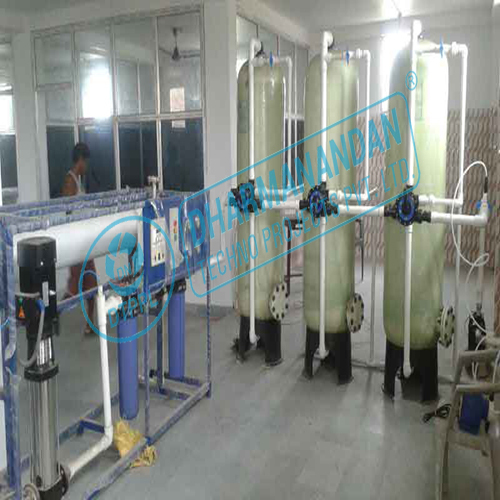
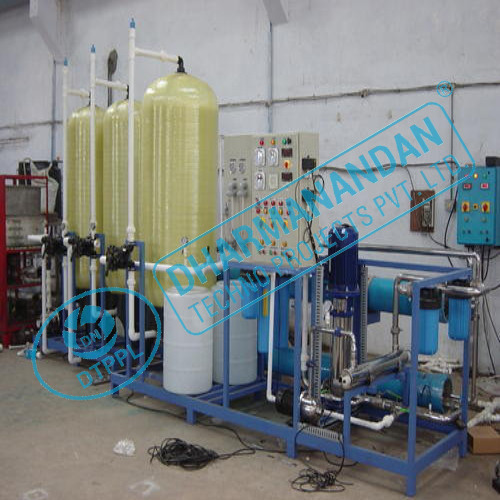
We deal in best quality Industrial Reverse Osmosis Plants, which as the Skid Mounted Systems can be installed in all places with filtered water inlet. These plants come with Pressure Sand Filter, Activated Carbon Filter, Chlorination, De-Chlorination, Antiscalant Dosing, HPP, MCF, and R. These sophisticated products come with Programmed Control Logic for their full proof work. The mineral rich preserved water moves through the Ultra Violet System and come with level indicator and controllers. Provided best quality Industrial Reverse Osmosis Plants come with optimum purification system and can avoid air contamination.
Advanced Membrane Technology
Our plant uses spiral wound polyamide membranes for superior salt and impurity rejection. Combined with a multi-grade pre-treatment system, it efficiently handles feed water with varying conductivity (2002000 S/cm), providing output water with conductivity below 10 S/cm. The system also supports a broad temperature range and robust feed pressure, ensuring consistent, high-quality permeate.
Intelligent Automation and Control
Equipped with a PLC/automatic control panel, the plant simplifies operation with real-time data displayed for operators. The cleaning systems CIP (Clean-In-Place) provision ensures the membranes remain efficient while minimizing downtime. Features such as automatic operation, energy efficiency, and low noise (<70 dB) promote smooth, reliable, and user-friendly performance.
FAQs of Industrial Reverse Osmosis Plant:
Q: How does the industrial reverse osmosis plant achieve high removal of impurities?
A: The plant utilizes spiral wound polyamide membranes capable of rejecting over 97% of dissolved solids (TDS). Paired with a multi-stage pre-filtration system including sand, activated carbon, and micron cartridge filters it removes suspended particles, chlorine, organic matter, and fine contaminants, ensuring water purity up to 99%.Q: What is the process flow of water treatment in this RO plant?
A: Feed water from sources like borewells or municipal supply first passes through sand, activated carbon, and micron filters for pre-treatment. It is then pressurized and directed to the spiral wound RO membranes, which separate pure water (permeate) from dissolved impurities. The permeate is collected for use while concentrated reject water is either recycled (up to 75%) or disposed of.Q: When should the CIP (Clean-In-Place) system be used?
A: The CIP system should be utilized during routine maintenance or when a decline in permeate quality or flow rate is observed due to membrane fouling. Regular cleaning, as recommended in maintenance schedules or based on monitoring data, helps sustain high removal efficiency and extends membrane lifespan.Q: Where can this RO plant be installed, and what are typical application areas?
A: The plant is designed for flexible installation (skid-mounted or containerized) and can be deployed in diverse locations such as industrial plants, hospitals, pharmaceutical facilities, food and beverage industries, or boiler rooms. Its robust construction and adaptability to various water sources enhance its application versatility.Q: What are the main operational benefits of this system?
A: Key benefits include high recovery and recycling rates, energy-efficient electric operation, minimal maintenance due to automated PLC controls, and reduced downtime thanks to the integrated CIP cleaning system. The plant delivers consistently high water purity and operates quietly with noise levels below 70 dB.Q: How does the plant accommodate varying feed water quality and capacity?
A: Engineered with customizable capacity (500100,000 LPH) and robust materials (FRP, MS, or SS), the plant efficiently handles feed water conductivity from 200 to 2000 S/cm. Its automatic controls, adjustable pressure range, and modular design support effective operation across industrial requirements.Q: What are the water quality parameters after treatment?
A: After treatment, the plant supplies water with conductivity less than 10 S/cm, a pH level between 6.5 and 8.5, and up to 99% impurity removal, meeting stringent industrial and potable water quality standards.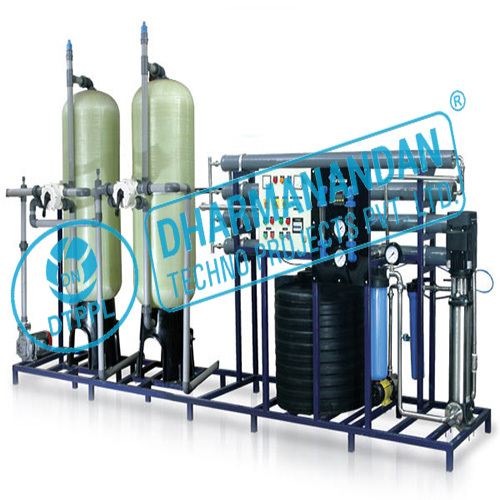
Tell us about your requirement

Price:
Quantity
Select Unit
- 50
- 100
- 200
- 250
- 500
- 1000+
Additional detail
Mobile number
Email

More Products in RO Plant Category
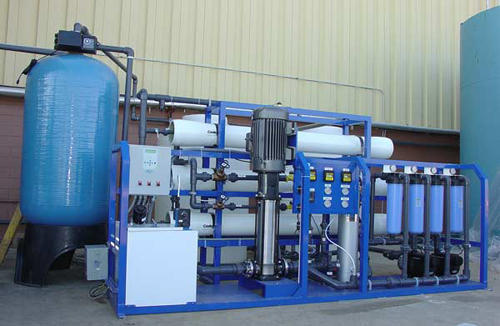
RO Water Treatment Plant
Price 235000.00 INR / Unit
Minimum Order Quantity : 1 Set
Material : Stainless Steel / FRP
Automatic Grade : Other, Automatic
Water Source : Other, Borewell, Tap water, Surface water
Drive Type : Other, Electric Motor
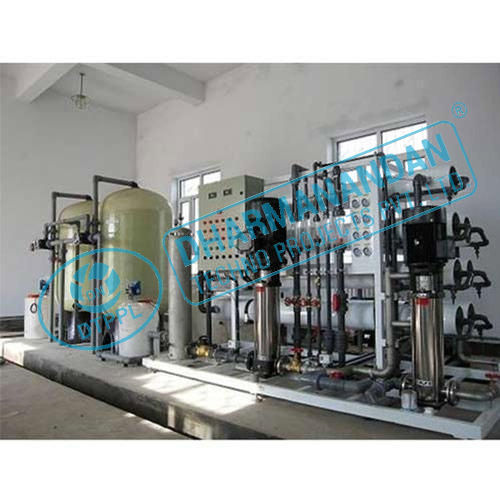
Industrial RO Plant
Price 120000.00 INR
Minimum Order Quantity : 10 Sets
Material : Stainless Steel / FRP
Automatic Grade : Other, Automatic
Water Source : Other, Borewell Water, Tap Water, River Water
Drive Type : Other, Electric Motor
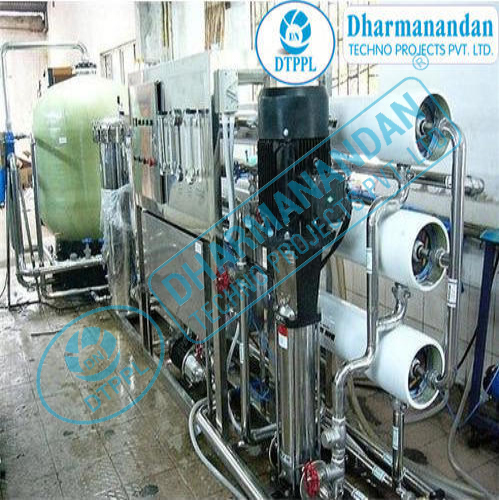
Reverse Osmosis Plant
Price 150000.00 INR / Unit
Minimum Order Quantity : 1 Set
Material : Stainless Steel
Automatic Grade : Full Automatic
Water Source : Ground Water
Drive Type : Electric
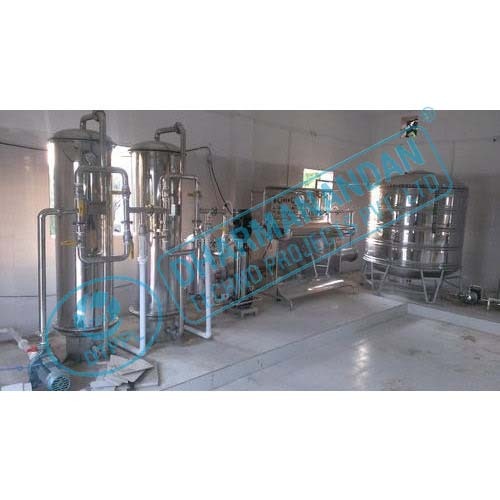
Industrial Ro System
Price 250000 INR / Unit
Minimum Order Quantity : 1 Unit
Material : Stainless Steel
Automatic Grade : Full Automatic
Water Source : Ground Water
Drive Type : Electric

Contact Details
DHARMANANDAN TECHNO PROJECTS PVT. LTD.
GST : 24AADCD8174E1ZR
GST : 24AADCD8174E1ZR
For any kind of query, contact us with the details below.

- B No.166, NEAR RADHE KRISHNA RESIDENCY, KADODARA ROAD,Surat - 394327, Gujarat, India

- Phone : 08045803613
- Branch Office:
Office No. 12, Building No. A-8, Shanti Vihar CHSL, Opp. Saikrupa Hospital, Mira Road (E), Dist: Thane - 401107, Maharashtra, India

- Mr Ghanshyam B Ramani (Director)
- Mobile :08045803613
- Send Inquiry
 Send Inquiry
 Send Inquiry
  Send SMS
|


Leave a message

 |
DHARMANANDAN TECHNO PROJECTS PVT. LTD.
All Rights Reserved.(Terms of Use) Developed and Managed by Infocom Network Private Limited. |
